
Why buying a bigger house usually means buying dead space
A custom home builder in Hinsdale explains why massive square footage is a trap, how developer builds fail, and how to solve basement water issues.
There is this default assumption in the marketplace: If you buy more square footage, you have bought a better house. Everybody does it. It is a belief that drives people to look at these massive listings, but I disagree with that notion. All that square footage usually equates to a lot of dead space. It creates what I refer to as a Cardboard Castle.
These developments aren't necessarily builder-grade. They are built in a way that feels empty and flat. You walk around, you see some finishes. They are the jewelry. But there is no cohesiveness to the design. If you are going to invest millions, you need to understand that a luxury home isn't created with luxury finishes. A luxury home is created with a luxury build. It comes down to climate control, fresh air, acoustics, and the things you aren't seeing.
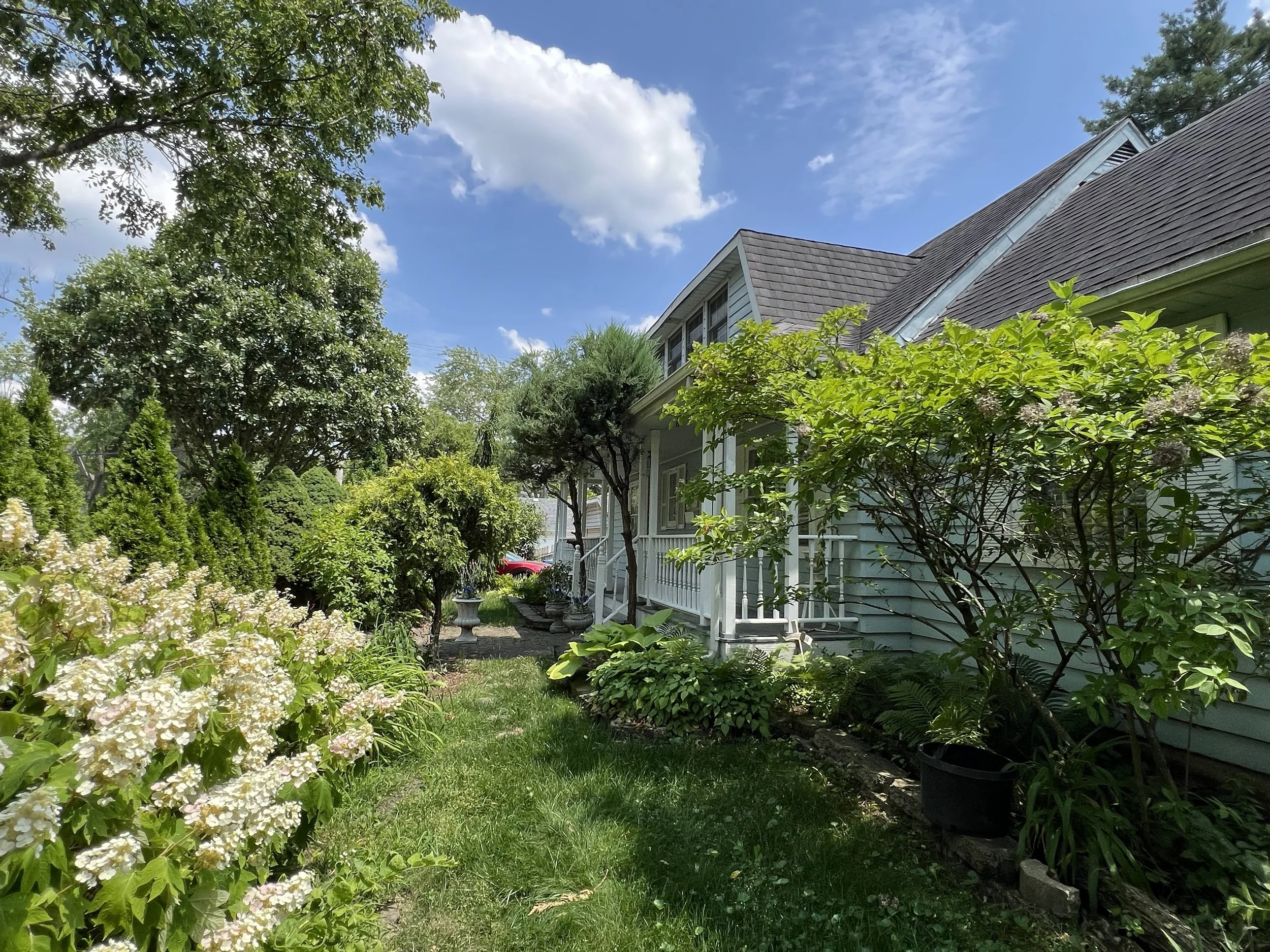
Our current project, The Cultured Cottage, located in prime location of Hinsdale, is a calculated risk. We bought this dilapidated corner lot, and due to zoning, we are constrained to 2,800 square feet. My competition is building well over 3,000. As a result, we have to make the case to the market that square footage is irrelevant if you have good architecture and strong building science.
The Hard Math of Carrying Costs
When you choose a market like Hinsdale, you are choosing a place where homes sell for multiple millions, which is great. But construction is expensive. It is really expensive. We are talking $350 to $400 a square foot starting baseline for a renovation and addition. By the time we are done paying the loan, we are holding the house for somewhere near $20,000 a month in carrying costs. You have to be in a neighborhood where homes sell in 30 to 45 days, consistently. Every month you hold that note, you are bleeding capital. That is why we value engineer early. It is not to cheap out. We do it to ensure every square foot serves the footprint and the homeowner.
Why the "Empty" Feeling Happens
When people walk into a home and feels elevated, that comes from the build. It comes from how we manage the air and the sound. You can slap Pinterest finishes on a structure, but if the building science isn't there, it feels empty. We are investing more into the build quality of this home because we know that a smart floor plan with zero dead space will outperform a larger, poorly built home every single time.
Water is the Real Test
We are excavating the foundation right now to solve some water issues in the basement. If you see water on the wall, that is a grading or exterior issue. That is a structural reality you cannot ignore. You have to be calm and direct about these things. You don't hide them. You demo the slab, you fix the drainage, and you build the structure correctly. That is the work. If you are going to build in a flood zone, you have to be disciplined about it.
We are a collaborative team. The architecture and interiors teams know how aggressive this budget is. We are going to be careful, because even with a million-dollar construction budget, you can easily exceed that amount if you aren't paying attention to the details.
Watch Episode 1 of the Cultured Cottage Series on YouTube to see how the times can change quickly on a high-risk real estate development.
Frequently Asked Questions
How does zoning affect the size of a custom home in Hinsdale?
Hinsdale zoning laws regulate how much of a lot can be covered by a building, and corner lots are subject to strict setback requirements from both streets. These setbacks restrict the footprint of the home, which means even if the lot seems large, the legal building envelope might limit you to a smaller square footage than neighboring properties.
What is the difference between a developer-built home and a custom build?
Developer-built homes are typically built for volume and speed, often using cheaper materials and generic floor plans that result in dead space and flat acoustics. A custom build focuses on building science, which means optimizing climate control, fresh air systems, and acoustic design to match the layout to how you actually live.
How do you fix water coming through a basement wall?
Water on a basement wall indicates an external issue where water is pressing against the foundation from the outside. Resolving this requires excavating the exterior foundation to inspect the waterproofing, correcting the yard grading to slope water away from the structure, and installing a proper drainage system.
Why are carrying costs so high during a home renovation?
Carrying costs include the monthly interest payments on your construction loan, property taxes, insurance, and utilities while the home is uninhabitable. For a multimillion-dollar project in Hinsdale, these holding costs can easily reach $20,000/month, making project speed critical.
Is it safe to buy and renovate a home in a flood hazard zone?
It is safe if you plan for the risk by working with an experienced civil engineer and builder. You must design proper foundation drainage, ensure all basement waterproofing is robust, and elevate critical mechanical systems above the potential flood line to protect your investment.