
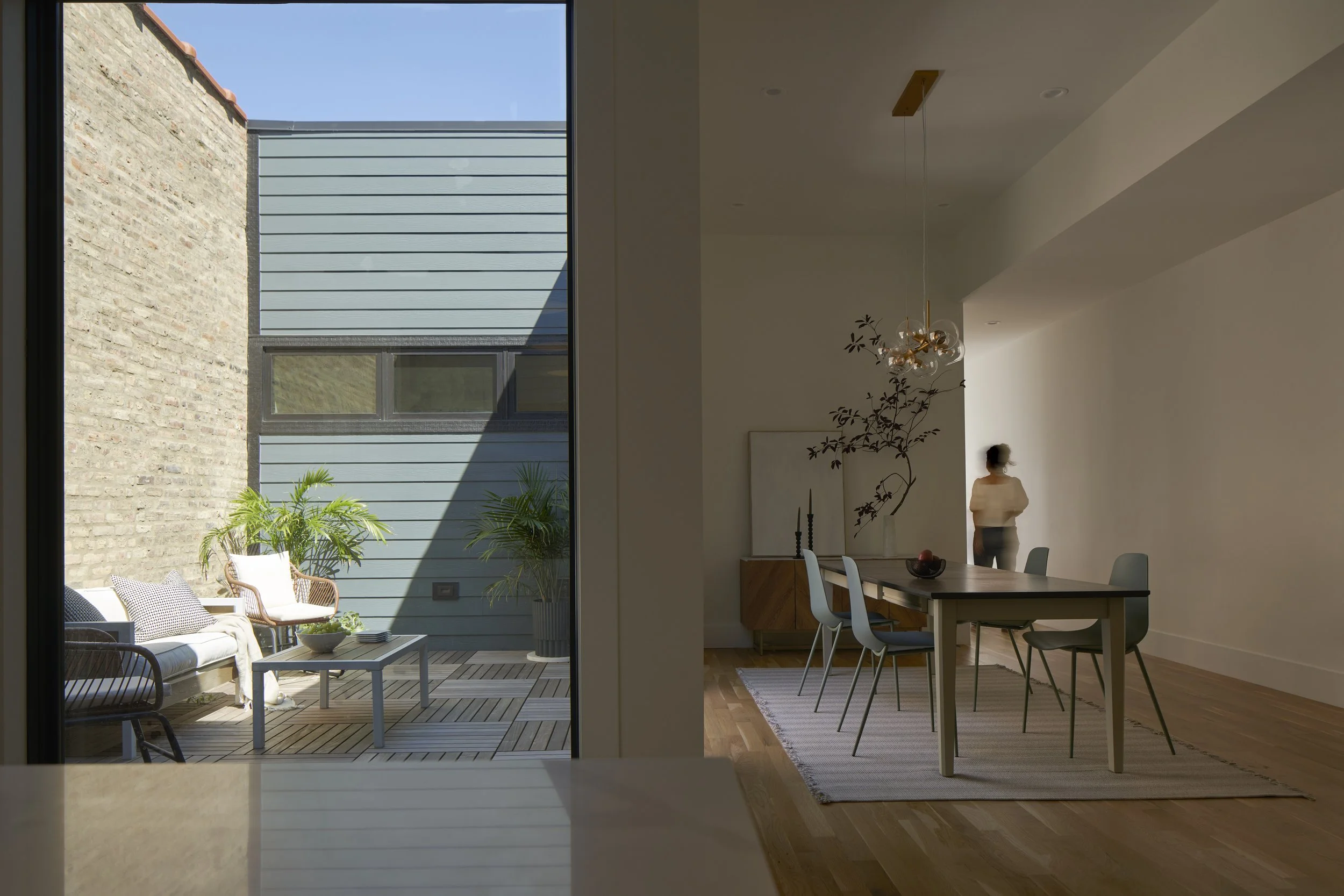
Wicker Park Landmark
— LANDMARK PROPERTY | HISTORIC PRESERVATION | STRUCTURAL RECONSTRUCTION
PRACTICE AREA
Custom Residential | Remediation
LOCATION
Wicker Park | Chicago, IL
SCOPE
Landmark Preservation | Structural Stabilization | Luxury Interiors | Adaptive Reuse | Mixed-Use | Urban Logistics
RECOGNITION
Contractor of the Year by National Association of the Remodeling Industry | Honor Award Winner American Institute of Architects | Chicago Landmark Commission | National Register of Historic Places
— THE PROJECT
A living landmark
adapted for
a new life.
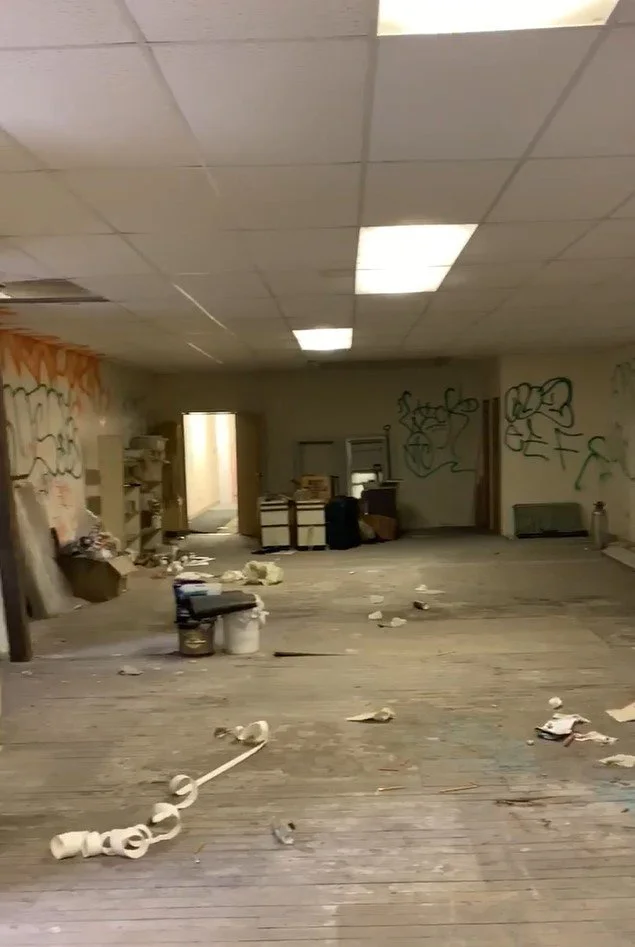
This building has anchored its corner of the Wicker Park Landmark District for more than a century, recognized by the Chicago Commission on Landmarks and listed on the National Register of Historic Places. Held by one family for generations and valued for its commercial storefront, the building’s second floor — roughly 3,000 square feet — had been surrendered to decades of neglect and illicit activity. Our clients saw past that history and to adapt the blighted upper floor into a residence, returning the building to full use without surrendering its landmark fabric.
Reality told a different story than the Landmarks Commission did. Every structural roof joist had failed, and the roof was actively collapsing above — over a commercial tenant that remained open for business on the floor beneath us. We engineered and installed temporary shoring to stabilize the structure, then rebuilt it with meticulous phasing. The existing floor joists were also unsalvageable. As a result, we removed them entirely and reconstructed the framing, all while protecting the occupied storefront below with a purpose-built structural enclosure.
This Landmark’s original nineteenth-century tin ceiling demanded the same rigor as the structure. Personally working through formal submittals and approvals with the National Register of Historic Places, Integro commissioned artisans to custom-fabricate four separate replicas, installed to match the historic record exactly.
Throughout, the work stayed mixed-use in the most literal sense — a home taking shape directly above a storefront that never closed.
— CONSTRUCTION DOCUMENTATION
The finished project tells one story. The process tells another. These images and clips document the conditions we encountered, the decisions we made, and what it actually took to bring these visions to life.
Mixed-use property located in Wicker Park Landmark District in dense urban infill.
The existing condition of the Landmark tin ceiling which was required to be restored to its original condition.
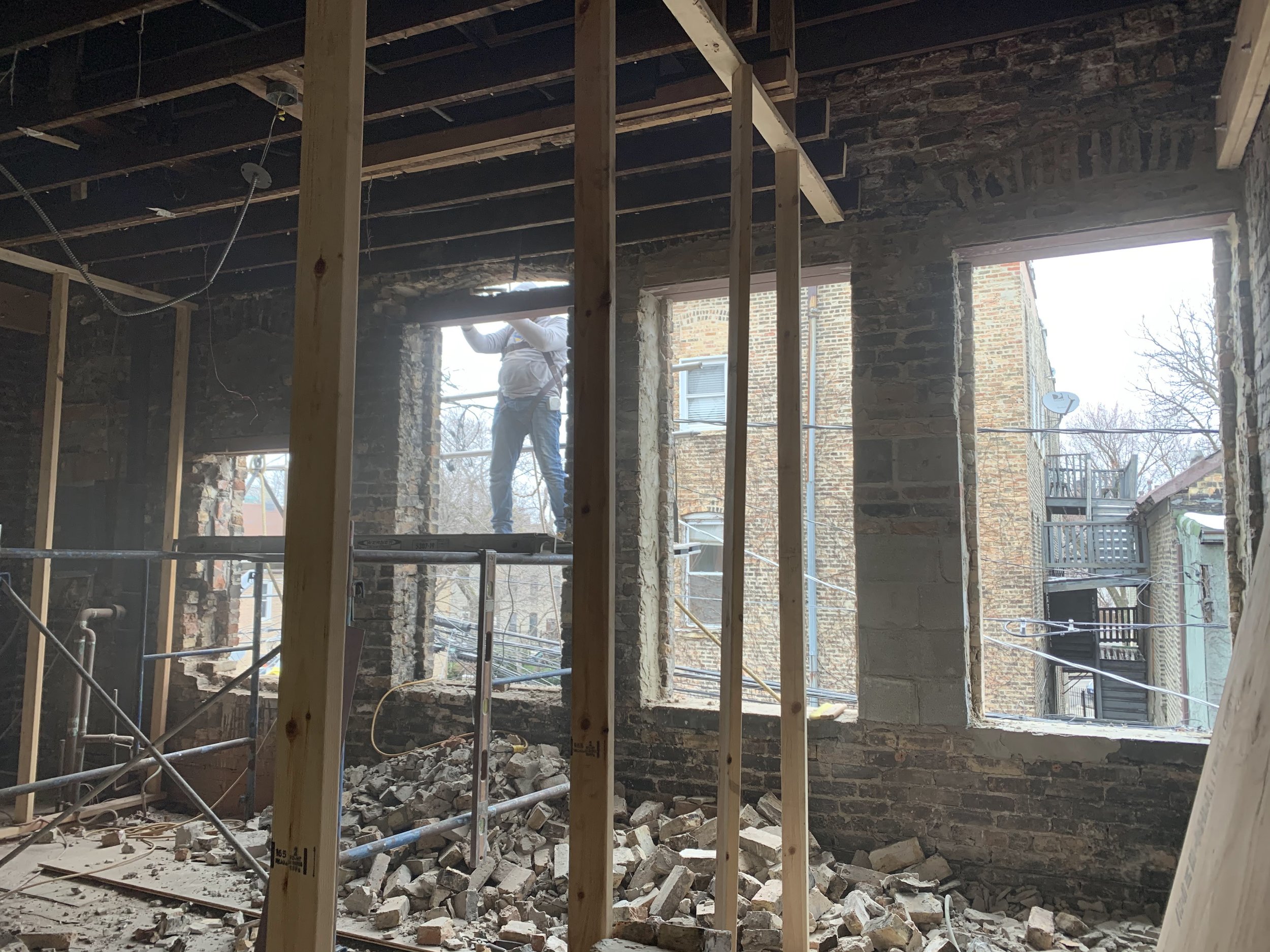
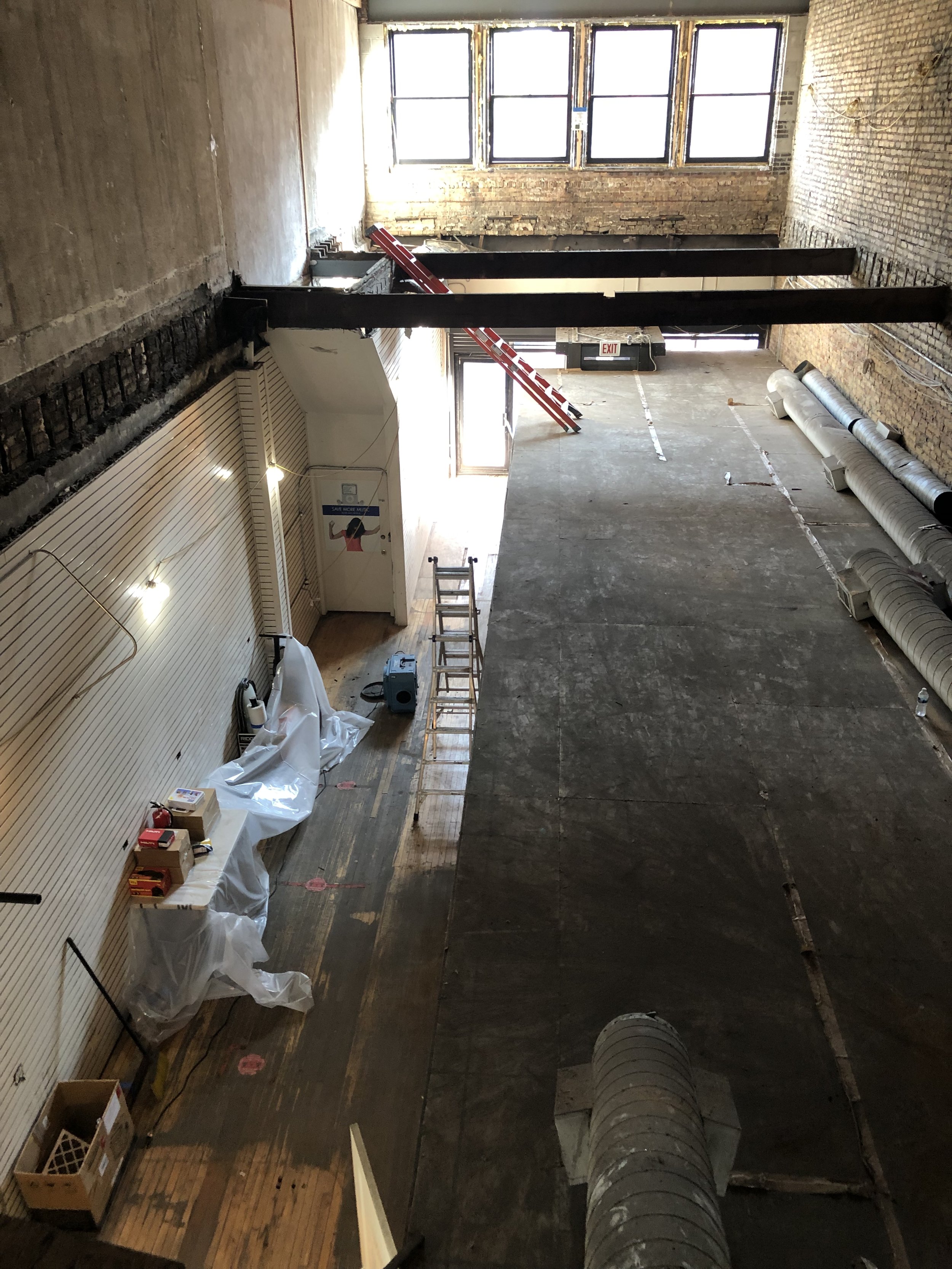
The building itself was structurally unsound. All structural joists required phased removal and replacement (interior reconstruction).
The existing floor joists required phased removal and replacement above fully occupied and operating commercial space below. A structural “box” encased the retail commercial space below.
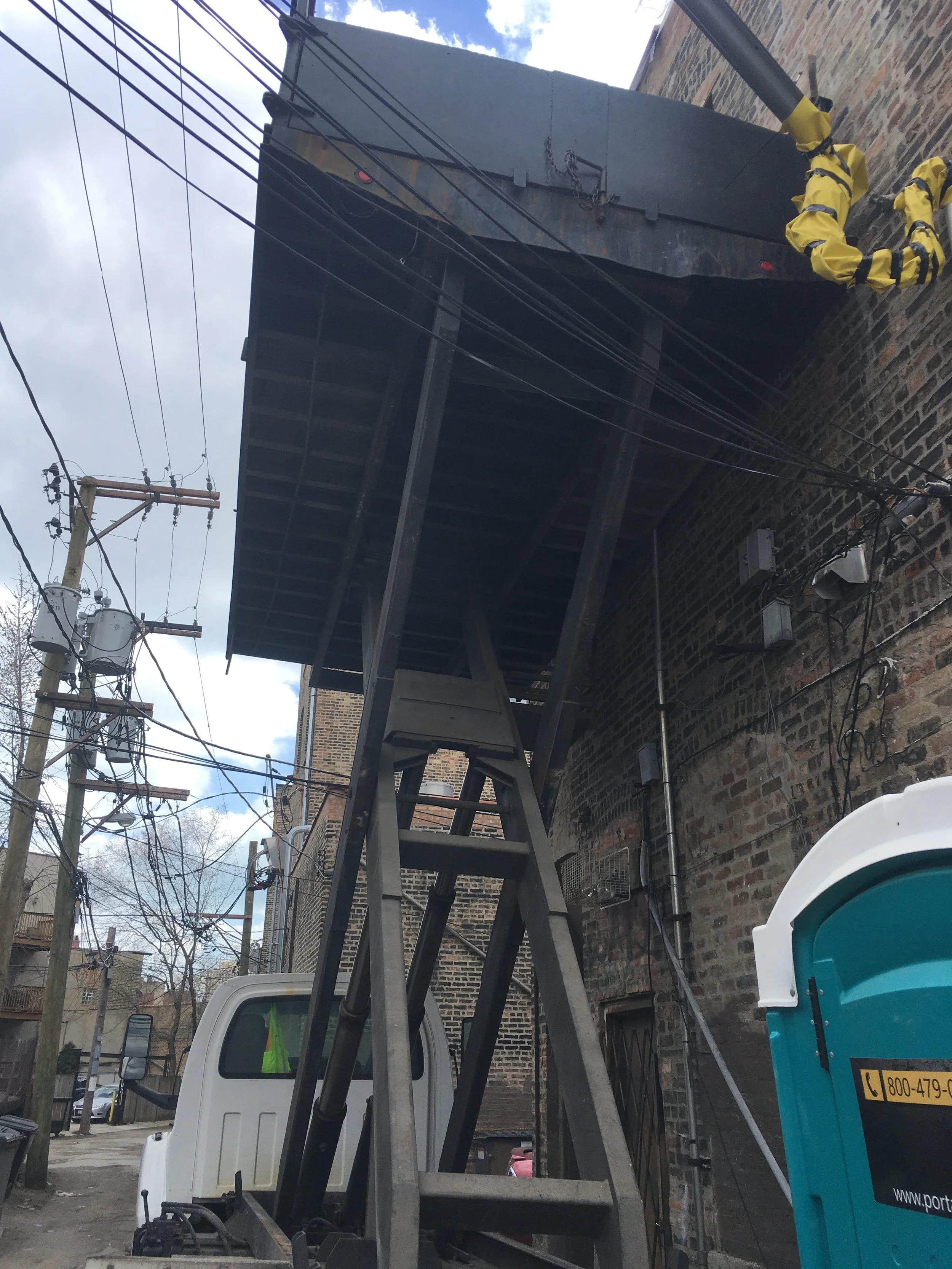
Raised dumpsters used to avoid disrupting major urban street in front.
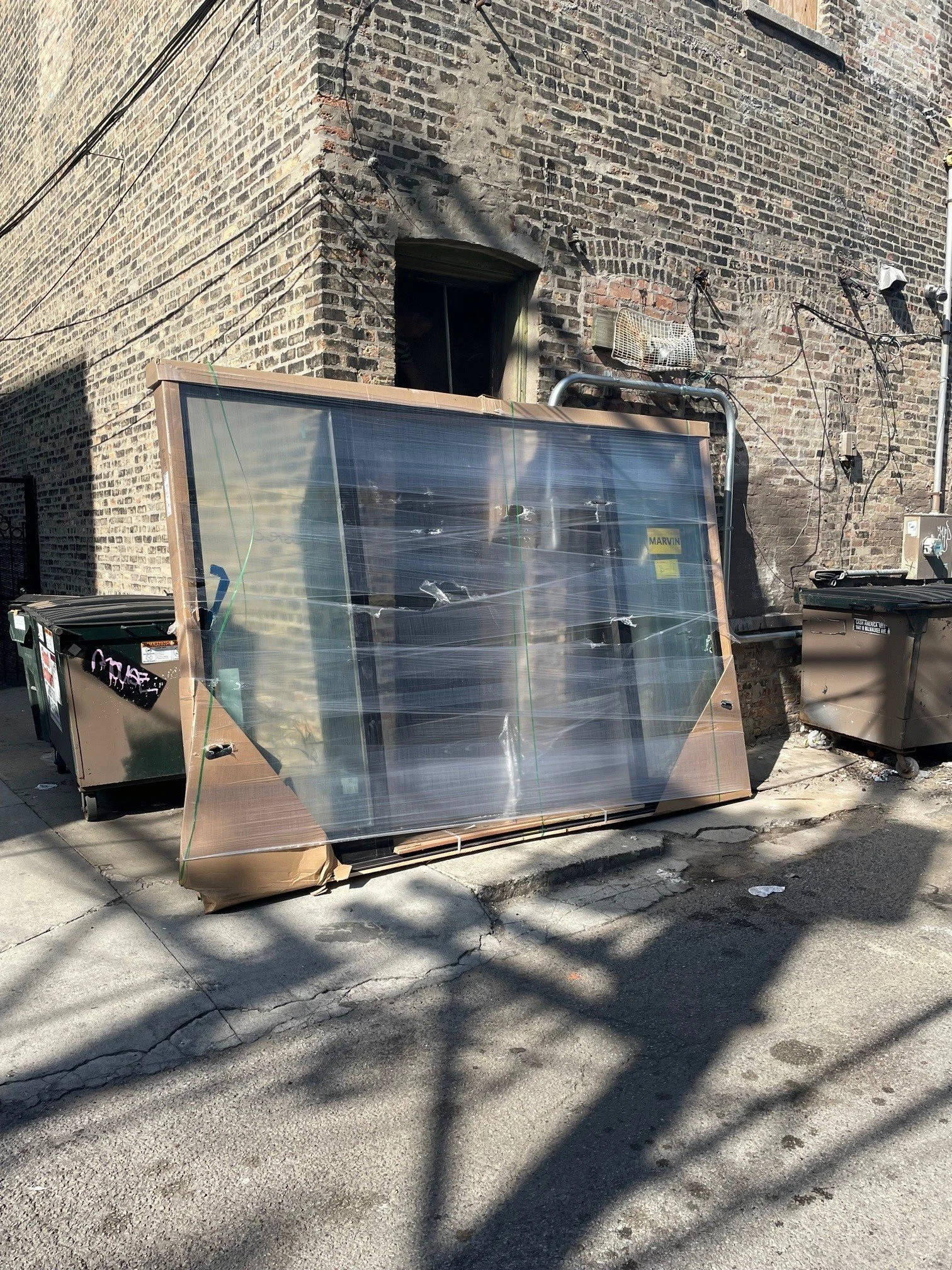
This large format door delivery was planned from the beginning. We knew we’d have to haul this upstairs BEFORE the rear staircase was built, otherwise we wouldn’t have the ceiling height to angle it upwards and clear corners.
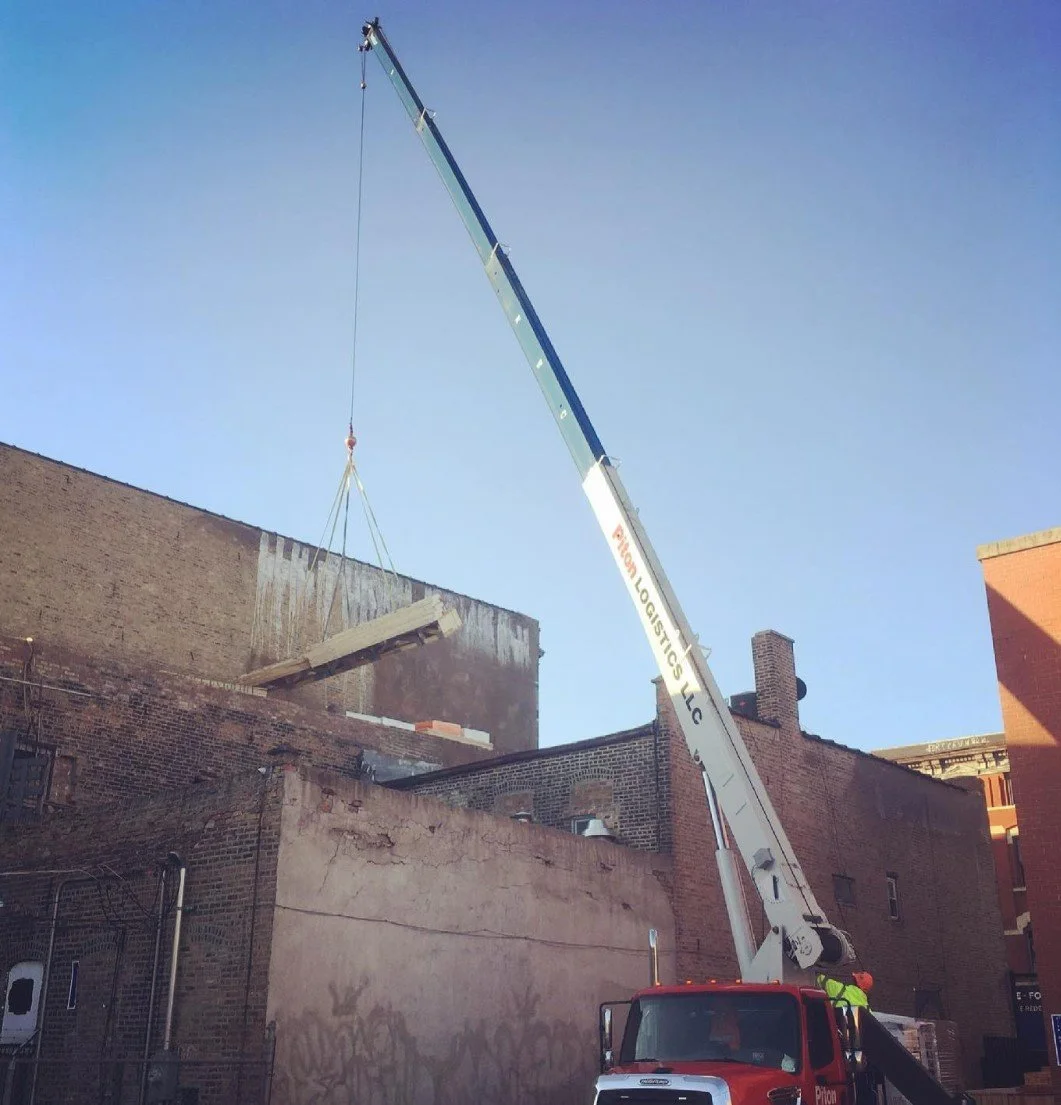
Rough materials hauled by commercial cranes to avoid wear on structurally compromised building in dense urban area.
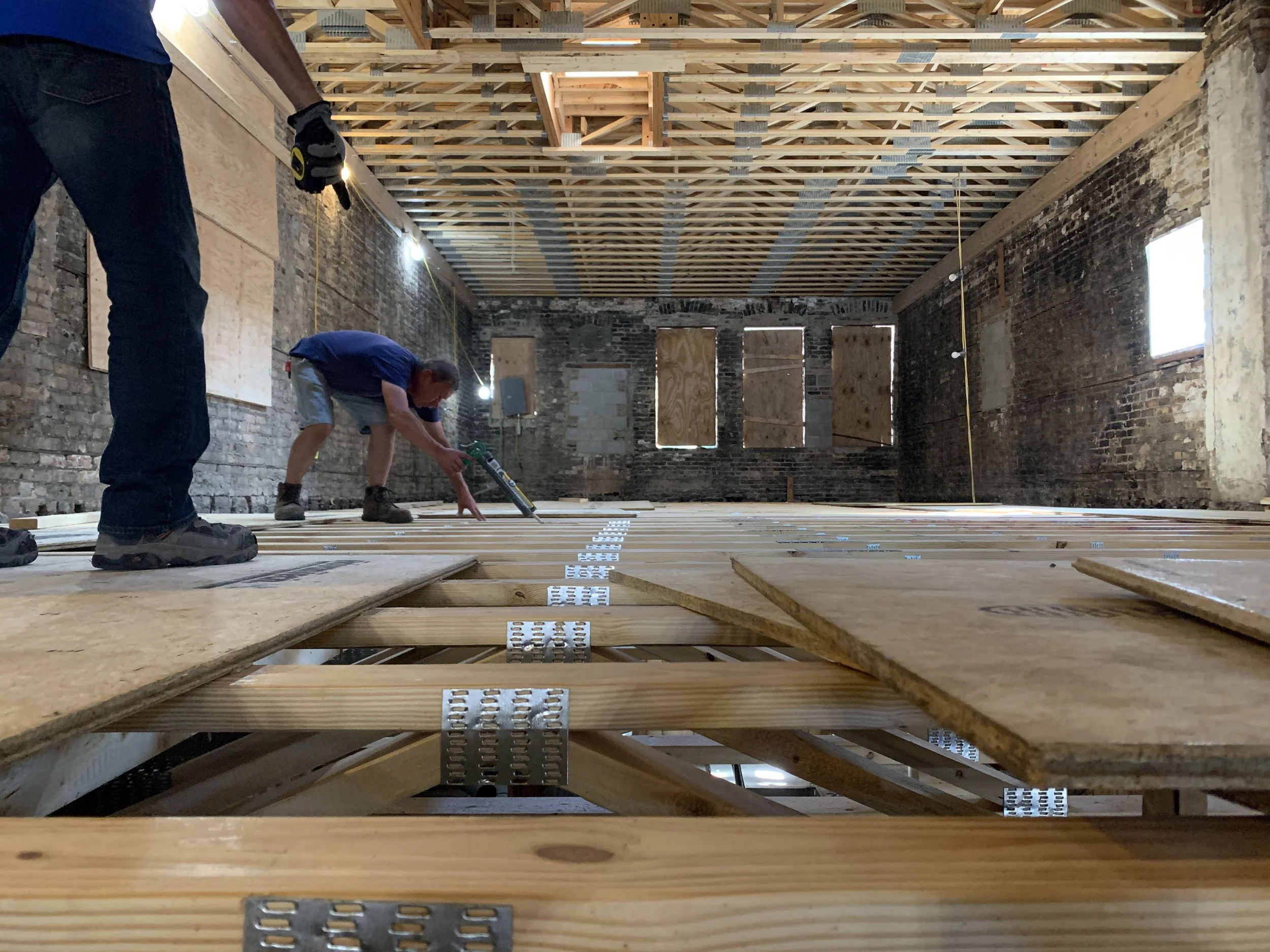
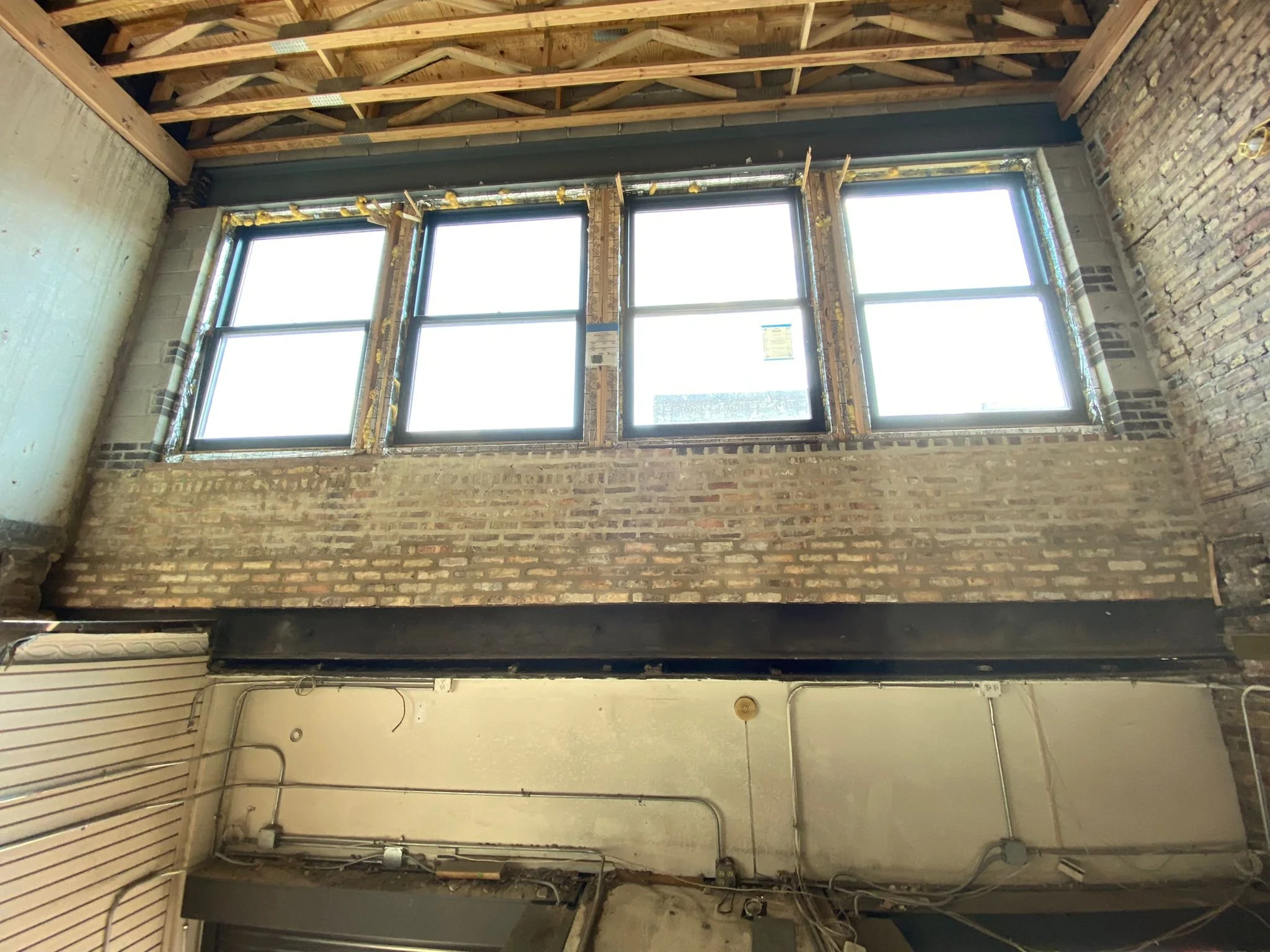
Replacement of structural floor joists above occupied commercial space below.
Original masonry reinforced and restored during phased construction.
Structural masonry demolition and restoration of Landmark property.
Original condition of 2nd Floor commercial space.
Structural enclosure protecting operating commercial space below during interior reconstruction.
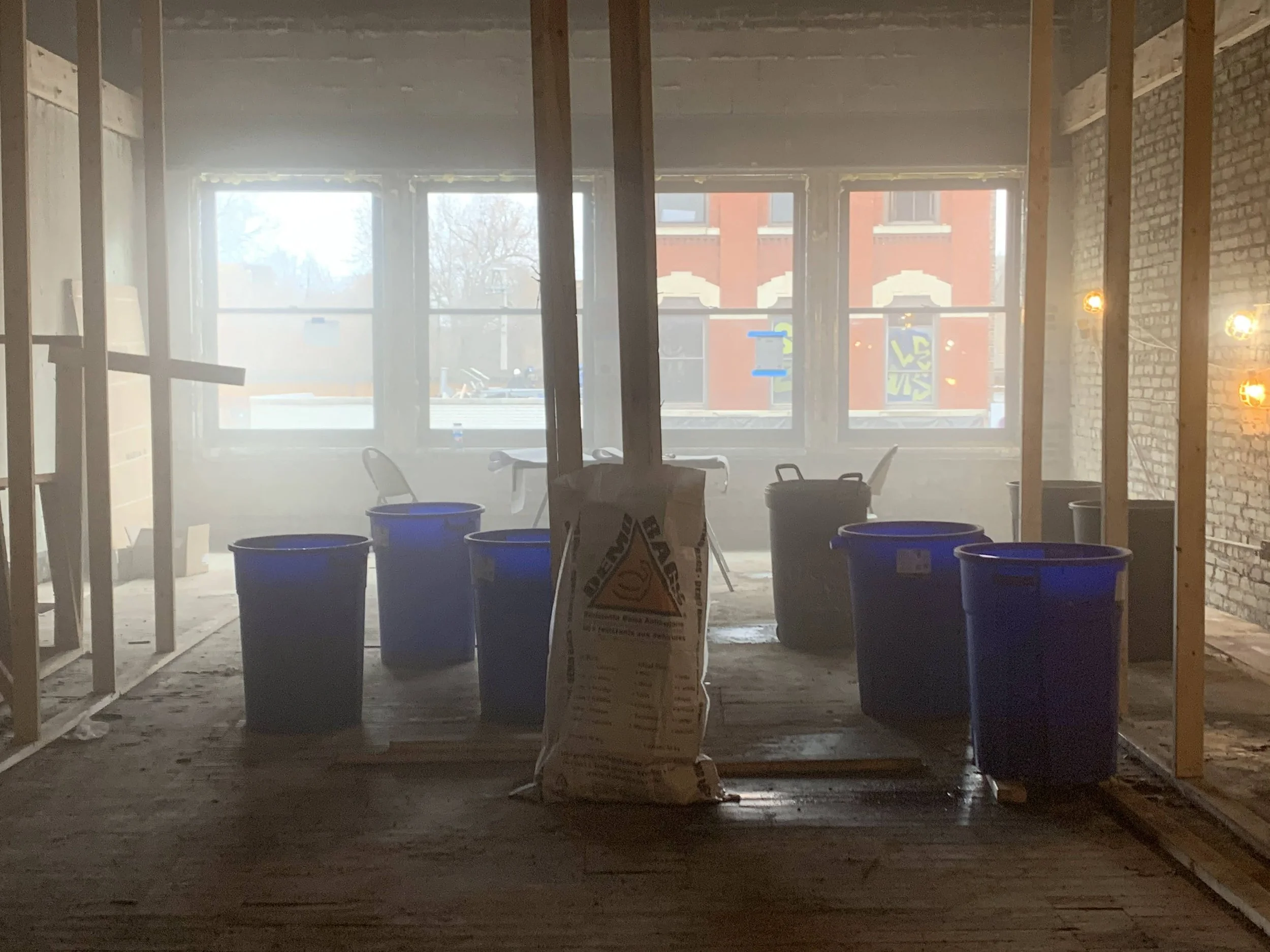
Full cleanings after each phase of demolition to remove bearing weight on compromised structure.
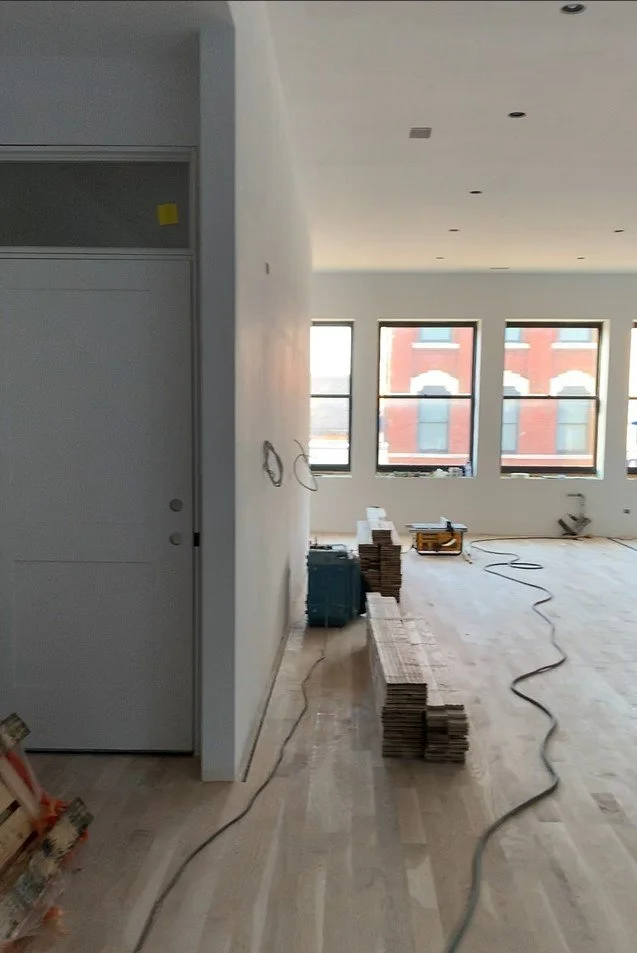
Progress at new 2nd Floor residence.
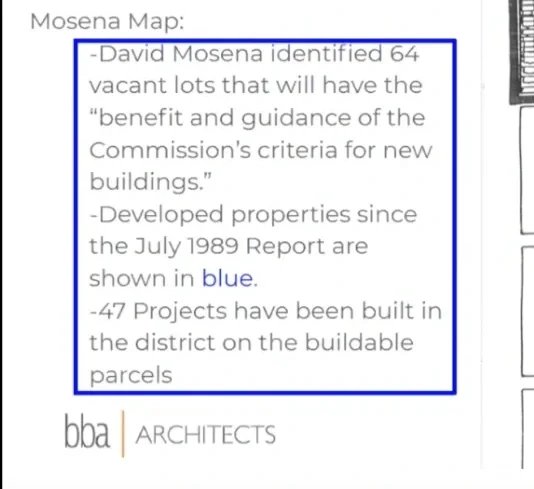
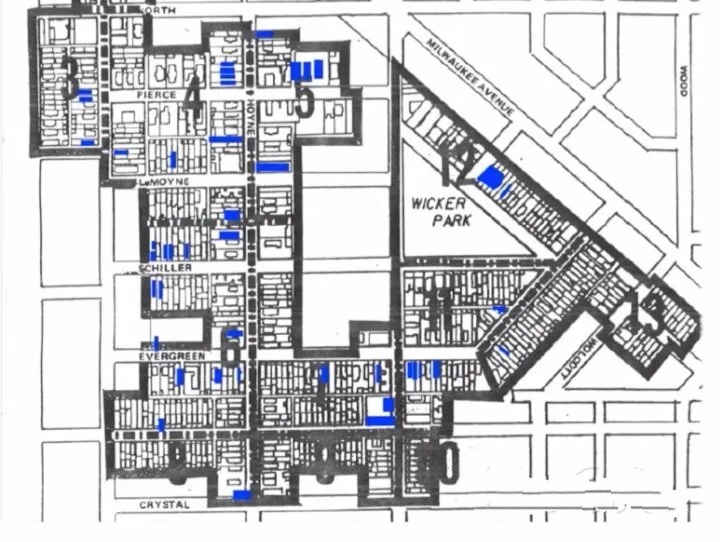
Chicago Landmark Commission data had to be incorporated and approved along side federally mandated requirements by National Register of Historic Places.
Historic maps provided by Chicago Landmark Commission to assist with permitting process.
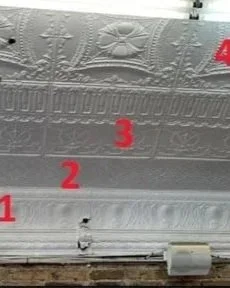
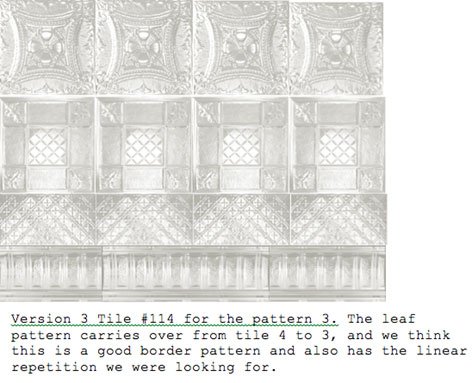
Integro personally colborated with National Register of Historic Places to achieve approvals for new replicas to be fabricated in lieu of salvaging the existing tin ceiling.
Federal data provided to establish design criteria for replica tin ceiling to maintain Landmark status.
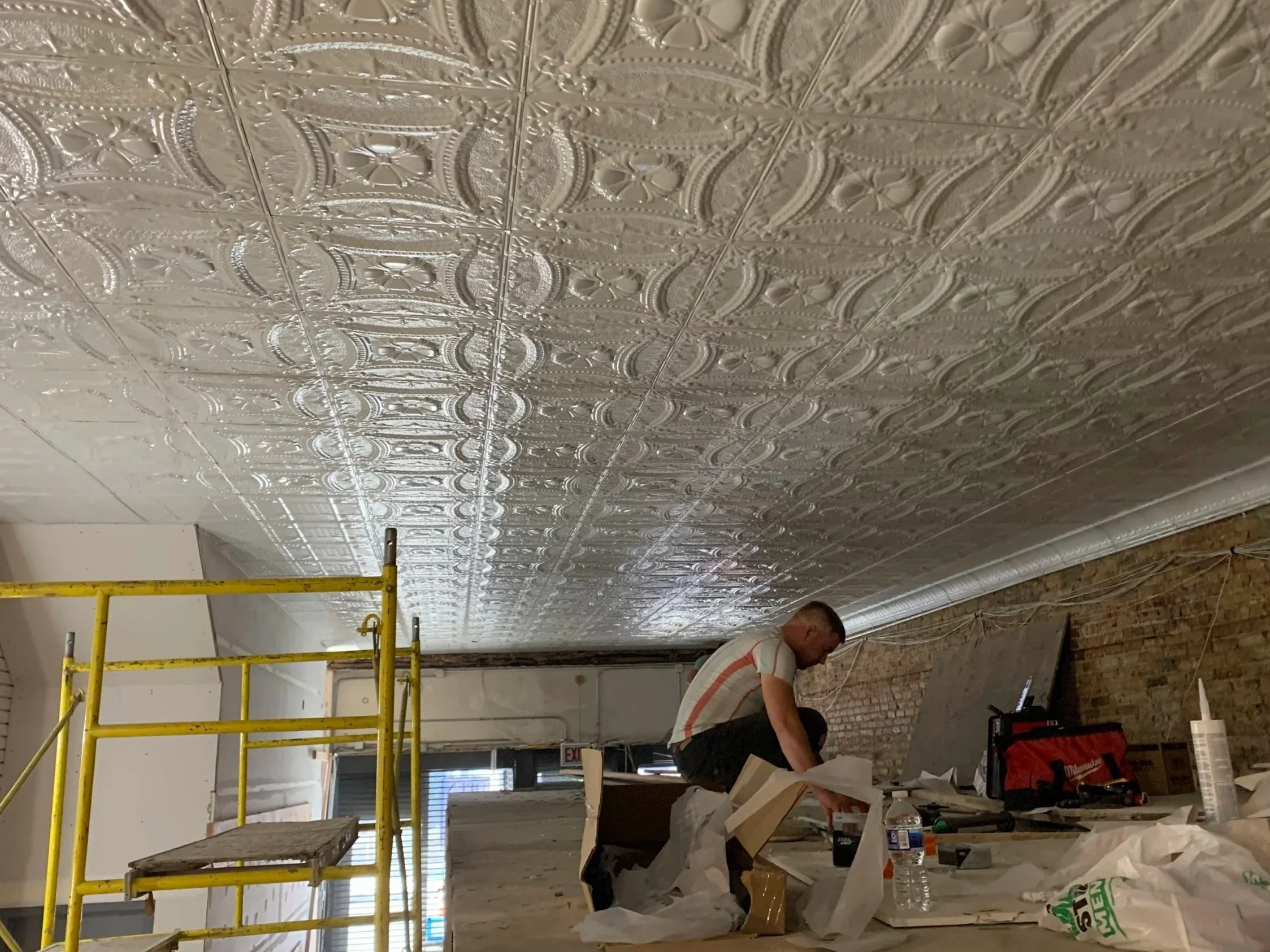
Final installations of replicated tin ceiling.
— PROJECT IMAGERY
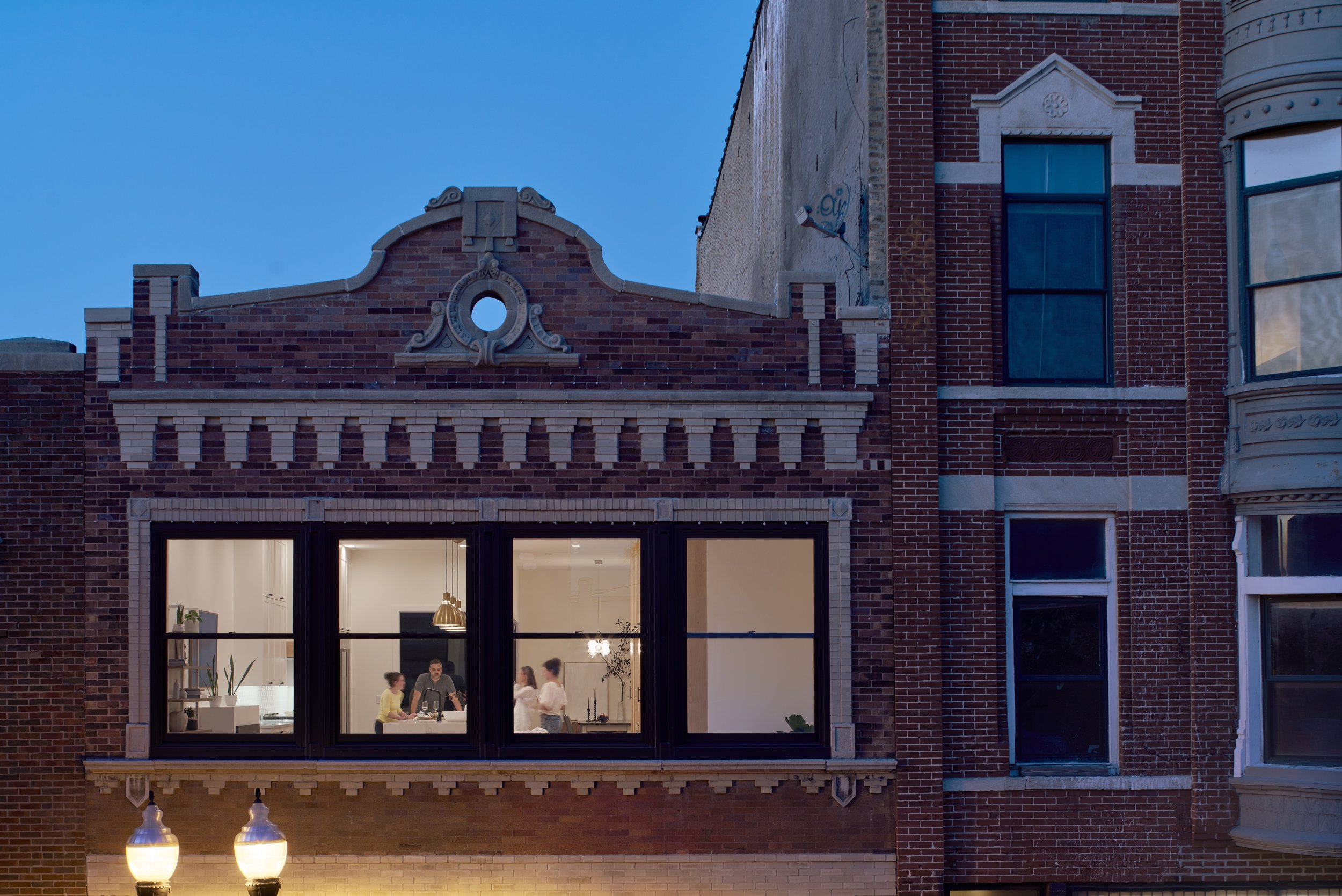


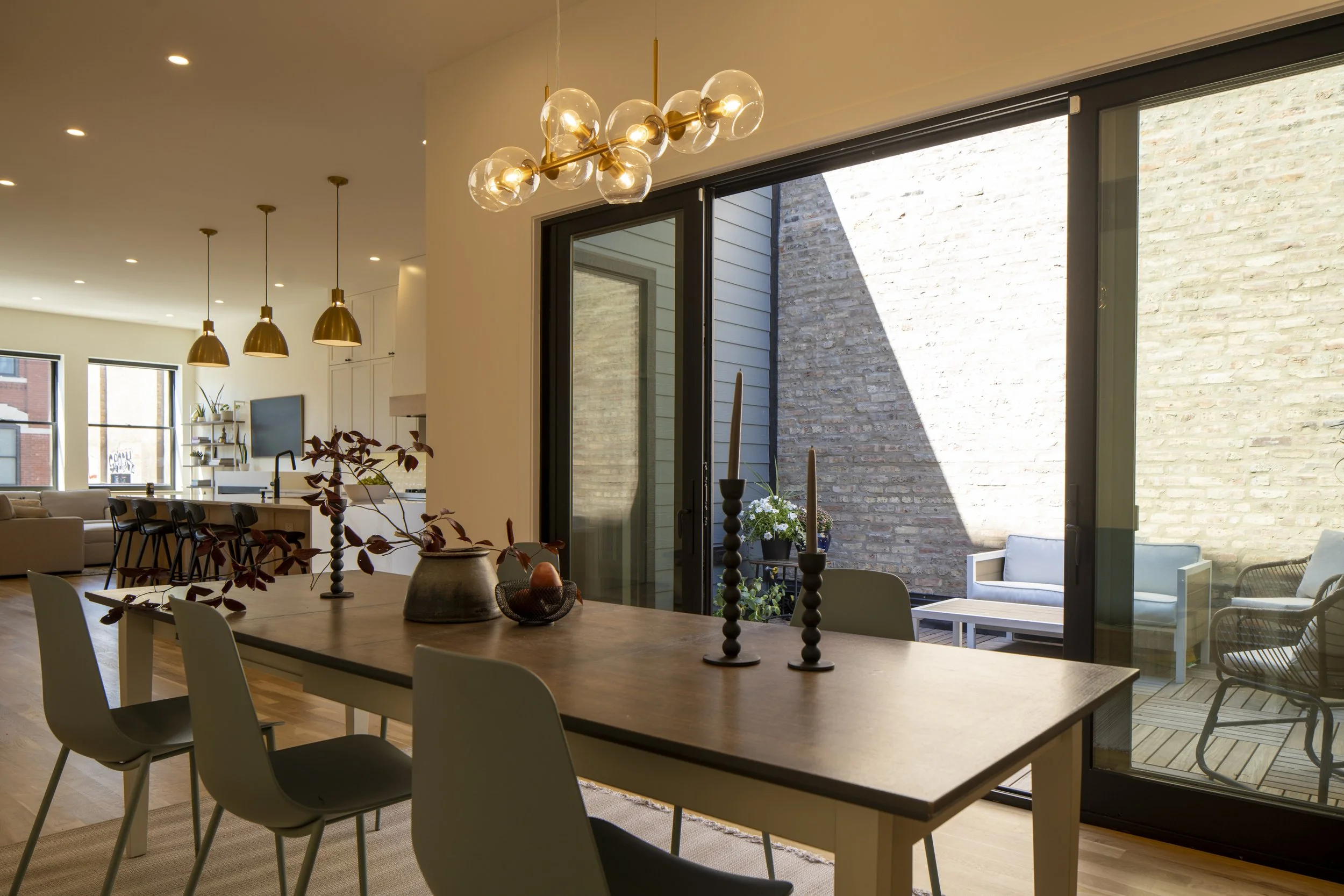


PHOTOGRAPHY BY Tom Rossiter
PRACTICE AREA

Custom Residential, Mixed-Use, and Remediation
This project lives where three of our practice areas meet. As custom residential, it called for the craft standard and structural depth of a luxury home. As mixed-use, it meant raising that home above an operating storefront that never closed. As remediation, it demanded high-stakes structural execution and rigor. The discipline behind all of them is the one that defines our work: an independent authority sets the standard, and Integro builds to it.